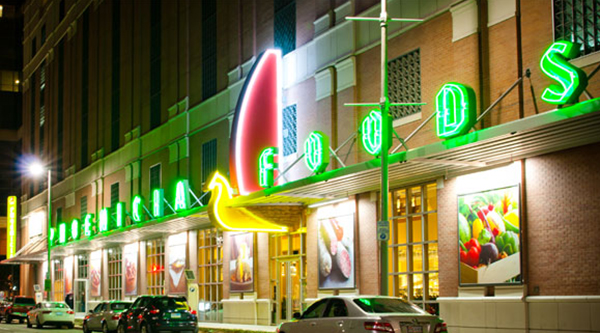
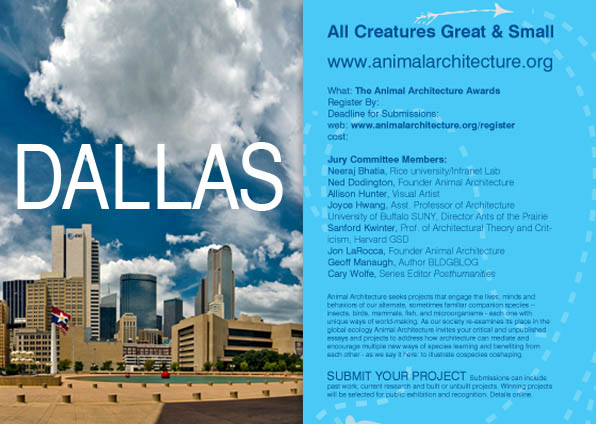
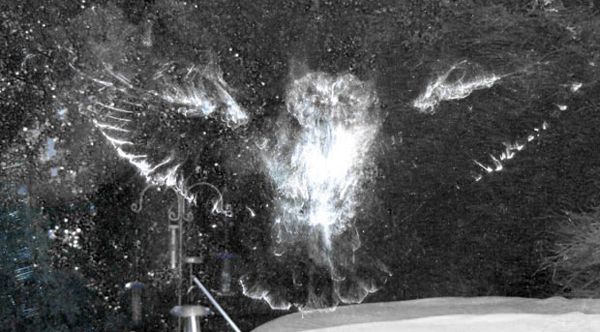
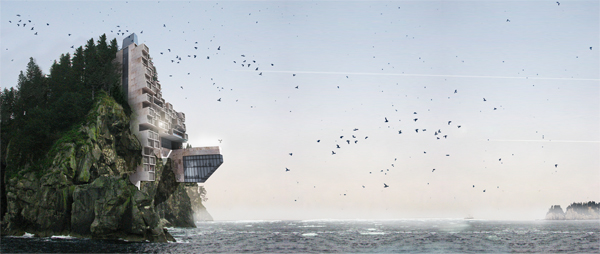
The 2011 Animal Architecture Awards continue their tour around the Texas area with their arrival at MKT Bar, located inside Phoenicia Specialty Foods, Downtown Market location.
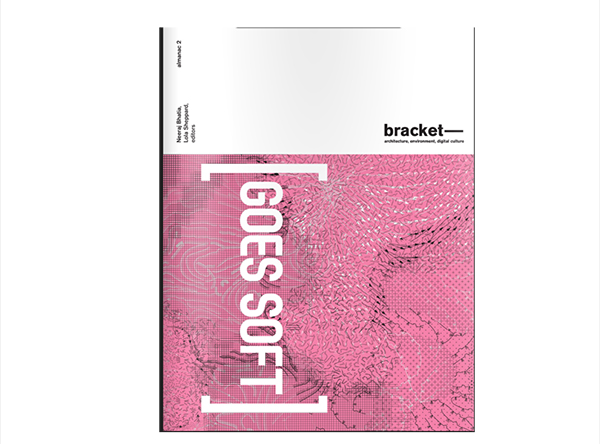
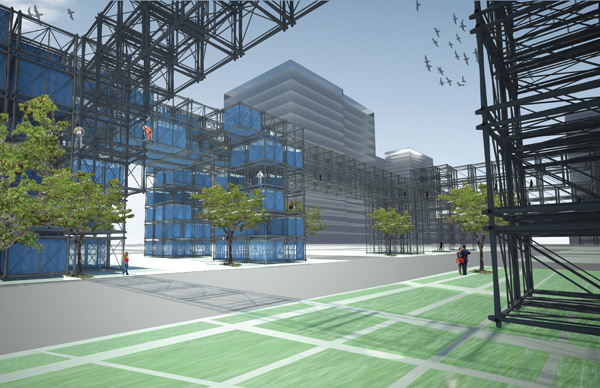
Bracket 2 examines physical and virtual soft systems, as they pertain to infrastructure, ecologies, landscapes, environments, and networks. In an era of declared crises—economic, ecological and climatic, amongst others—the notion of soft systems has gained increasing traction as a counterpoint to permanent, static and hard systems.
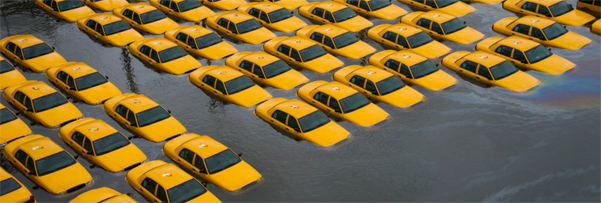
Like many of us I watched with heightened anticipation as Hurricane Sandy strengthened, diminished and then strengthened again as she made her way towards the east coast of the United States...
In an expanding and increasingly volatile world an anachronistic model of architecture and urbanism based on planning, authority, history and permanence has less and less ability to solve today’s economic and ecological problems.
Elevator B[ee] is an iconic gesture of the regeneration of the Silo City site, both naturally and economically. The material properties of the tower represent the cluster of material manufactures around the site while housing the colony of bees.
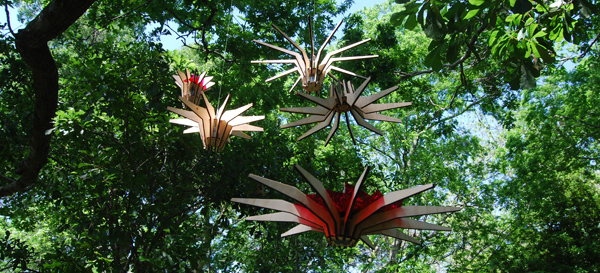
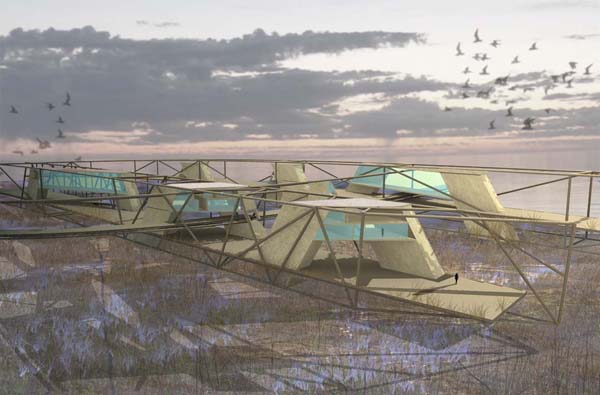
...a continuation of my work which in a broad sense is interested in using architecture and design to bridge "the species gap." This endeavor sometimes takes the shape of forming connections, illustrating overlaps, and exposing inconsistencies in our anthropocentric world-view. Or, in the case of R.P Park, making bird feeders ...
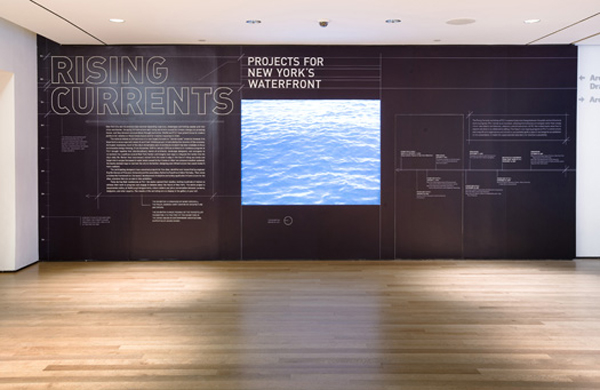
As the East Coast continues to recover from Sandy we are reminded of Rising Currents, an exhibition of several high-caliber projects actively mining local NYC ecology to save the city in the event of rising sea levels.
It is with great pleasure that we announce the winners of the 2012 Animal Architecture Awards. This year saw an impressive range of projects from around the globe. Each of the projects, individually and collectively, demonstrate new and encouraging ways for us to live more fully in this world.
The history of the zoo is both expansive and detailed, present in some form at almost all times in human society. It is no surprise then that the story of zoos can reflect larger trends in humanist and extra-humanist thought. In that light, we are happy to present for your reading enjoyment a series of posts about zoos throughout the ages.
What if humans weren't the central focus of architecture? What if the design process included the needs wildlife? Tyler Rudick delves into the world of Animal Architecture in this issue of CultureMap.
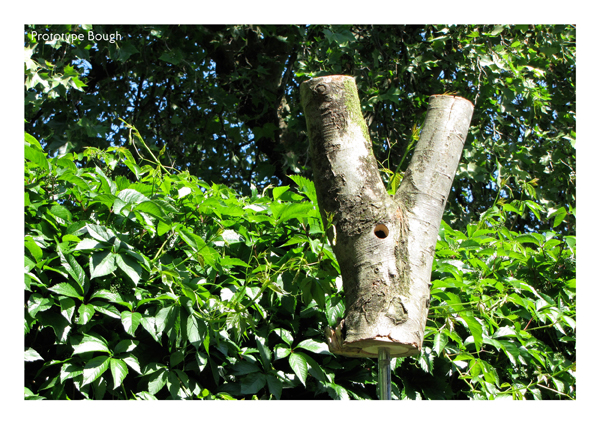
Synergy Housing is looking to commission an artist or designer to design and build a piece of ‘animal architecture’ (such as bird or bat boxes, bee housing) to be integrated into, and replicated throughout the seven development sites in Littlemoor.
These are the posts that started it all. Three years ago this series of seven posts started the project called Animal Architecture. Much has changed in that time and much has been accomplished. But despite new topics, advancements or other occurances these seven posts continue to be the foundation for the work of Animal Architecture...
The "cabinets of curiosities", traveling displays of imperialism and private collection of the aristocracy remained the norm for the display of animal life until the second-half of the eighteenth-century, when the diversity of animals increased and fixed menageries began to appear...
NPR: Every year millions of birds fly headlong into sleek glass and steel skyscrapers all over the country. Can a better glass save these co-urbanites?
...best of all, one is lead to believe that over time the density of the structure will increase with all of the small materials brought along by the various inhabitants, growing thicker, heavier and stronger with the passage of life and time.