Tag: Urban Ecology
-
The Urban Rookery
Rookery: a colony of breeding animals, generally birds. A rookery is generally reserved for a colony of gregarious birds, though in this setting we’re expanding ‘rookery’ to include more species,…

-
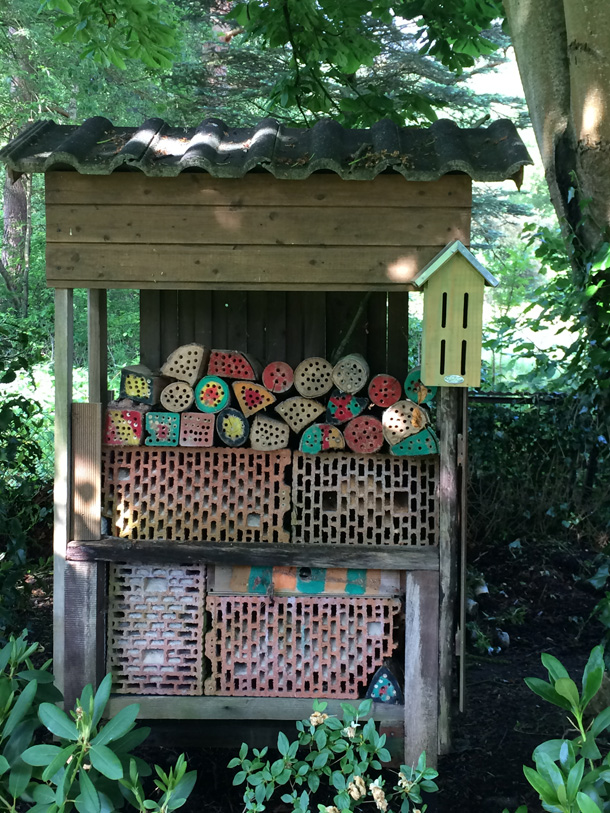
Insect Homes
In the face of global pandemic it would appear that the health of our ecosystems, biodiversity and particularly our insect life is more important than ever. This post from 2014…
-
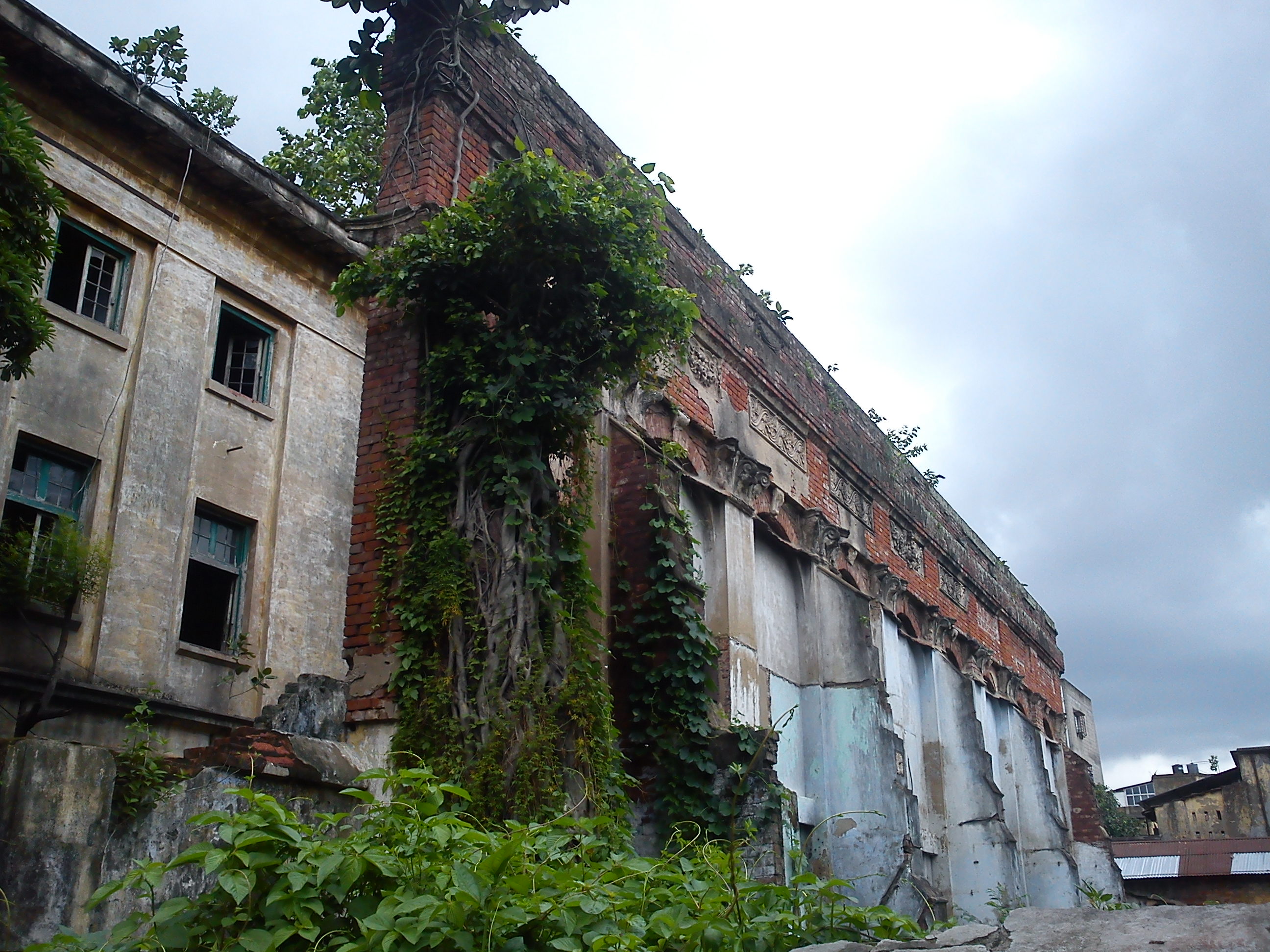
Art-value of Biological Growth on Buildings
The art value of the co-created landscape cannot be ignored. The biological growth elevates the value of the wall into that of a unique sculpture.
-
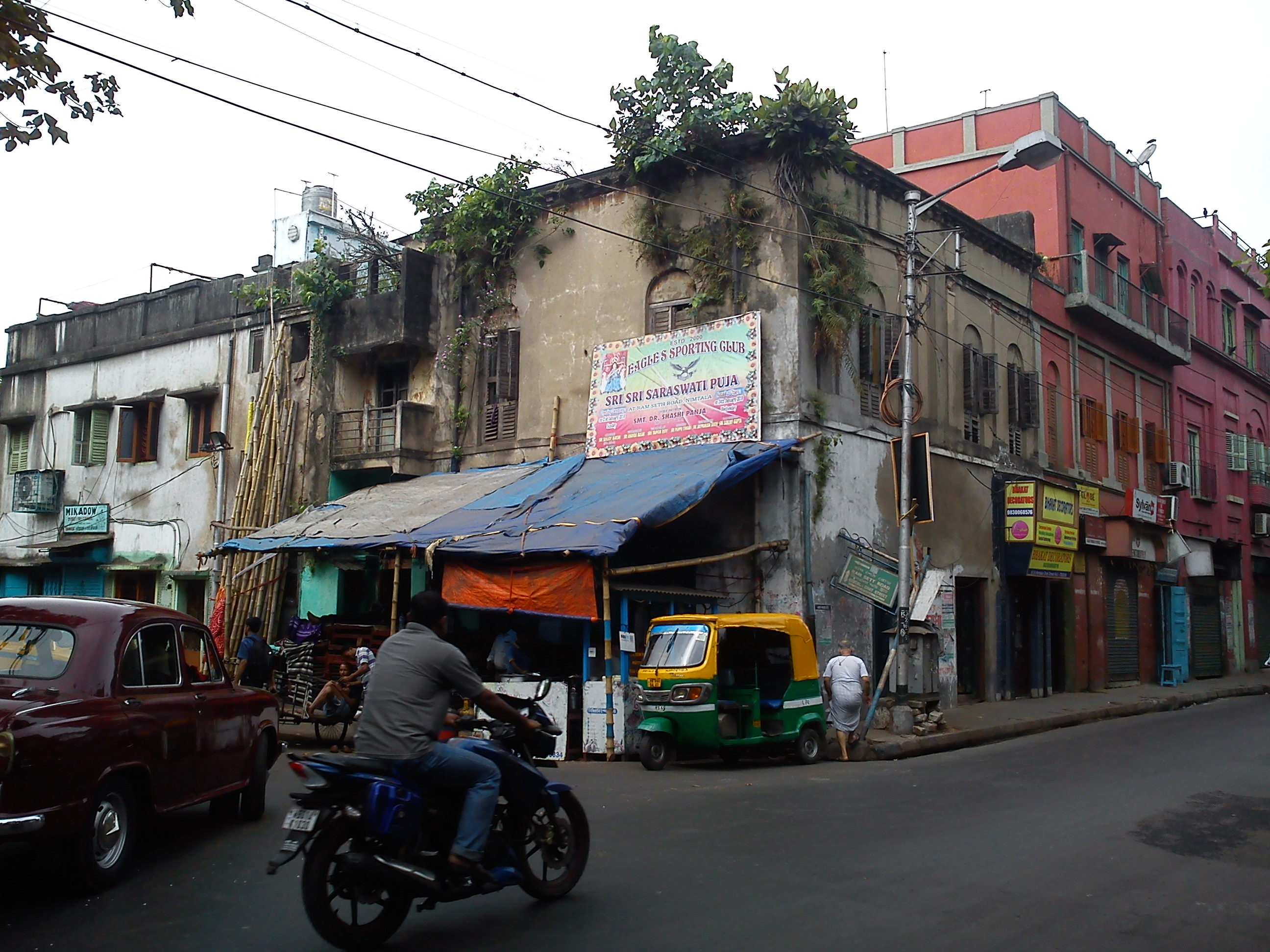
Wild Growth in Cities as a Rare Resource
A tour of the old city of Calcutta reveals that while biological growth can threaten to destroy buildings’ structures, conservation and management of growth can also enhance the age-value and…
-
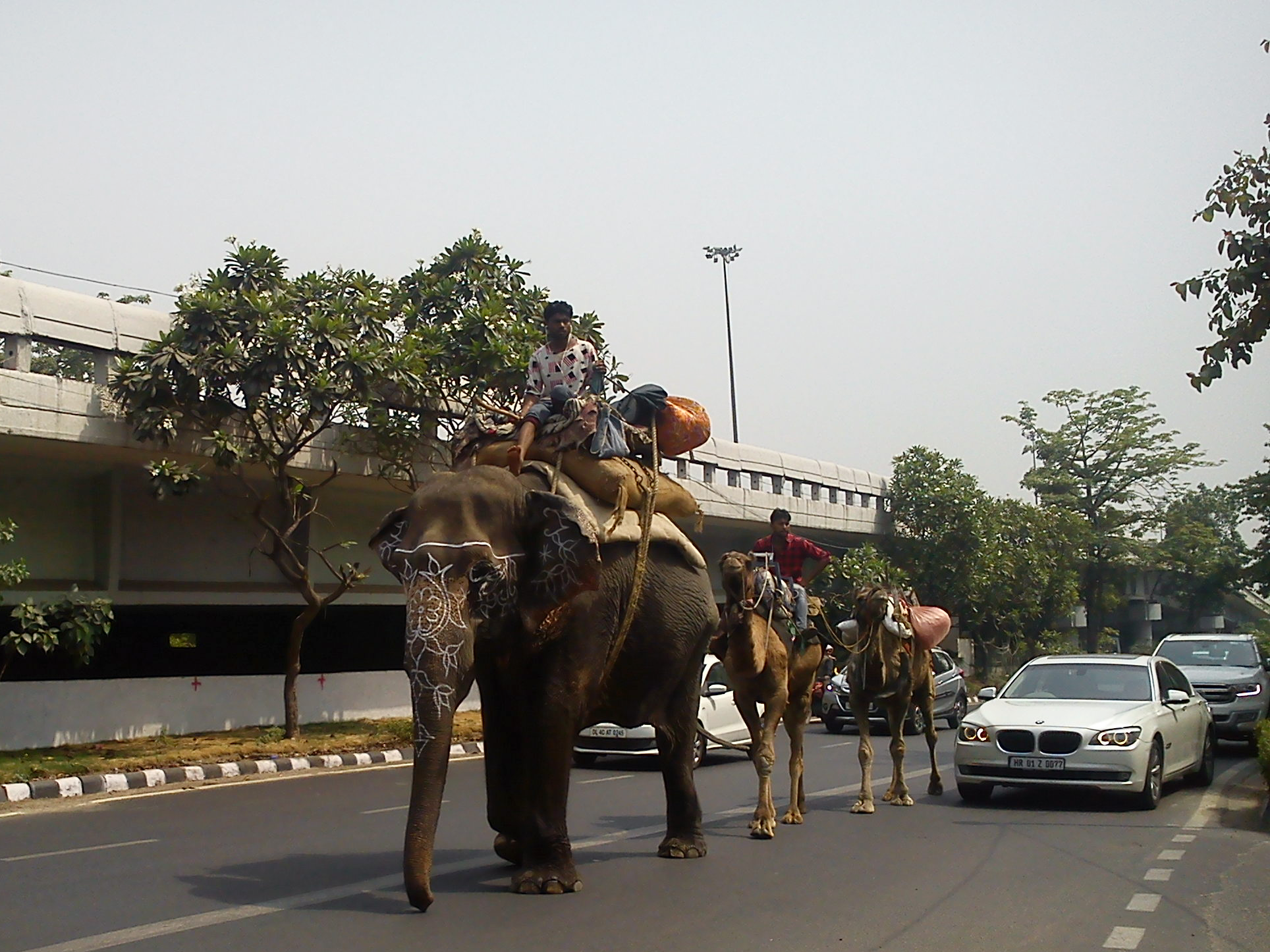
Cities: Home for Wildlife, Lacking Wilderness
If cities can be programmed with the character of wilderness, the urban can draw benefits of wonderment, motion, colour and interaction.
-
Announcing: Contributing Editor, Amartya Deb
We are happy to introduce our newest contributing editor to the Expanded Environment – Amartya Deb. Amartya comes to us from India often writing from locations in Dehli, Calcutta, Bangladesh…

-
Companion Species
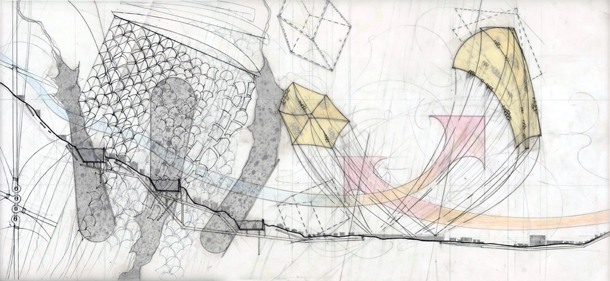
Today’s cities, not only Western but cities in general, have almost no animal life in their cores, and if they do, it is strongly curtailed.
-
OP-ED: Post-Harvey Houston
There should be no suggestions to the contrary – we have (willingly or unwillingly, knowingly or not – it doesn’t really matter) created climate systems of massive power and energy…

-
Repost: Animals in Contemporary Architecture and Design
Jennifer Wolch & Marcus Owens analyze a sample of contemporary animal design projects…

-
Concrete Chimney Swift Tower
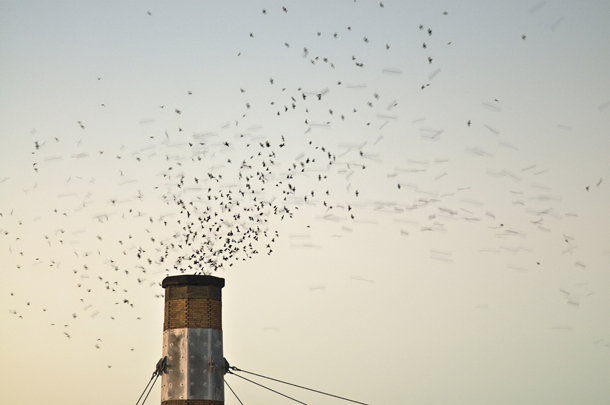
The evolution of the Chimney Swift is closely intertwined with modernity and the changing habitats of humans. Although originally nesting in caves and rotted trees, Chimney Swifts now primarily nest…
-
Urban Umwelt
Recently Ned presented via pre-recorded video at the “Untaming the Urban” Symposium at the Fenner School, Australia National University. The full-length (it’s only 15 minutes) viedo is here for your…

-
Syn-Urban Assemblages
Throughout North America, the suburbs are a pervasive condition that emerge at the periphery of every major metropolitan area. Ingrained cultural expectations and conventional construction methods ensure that the suburbs…

-
Natural Urbanism
Despite the fact that more than half of the world’s population today lives in cities, the attention given to urban ecosystems in the ecosystem services literature has yet been relatively…

-
Co-migration: Aeroplankton
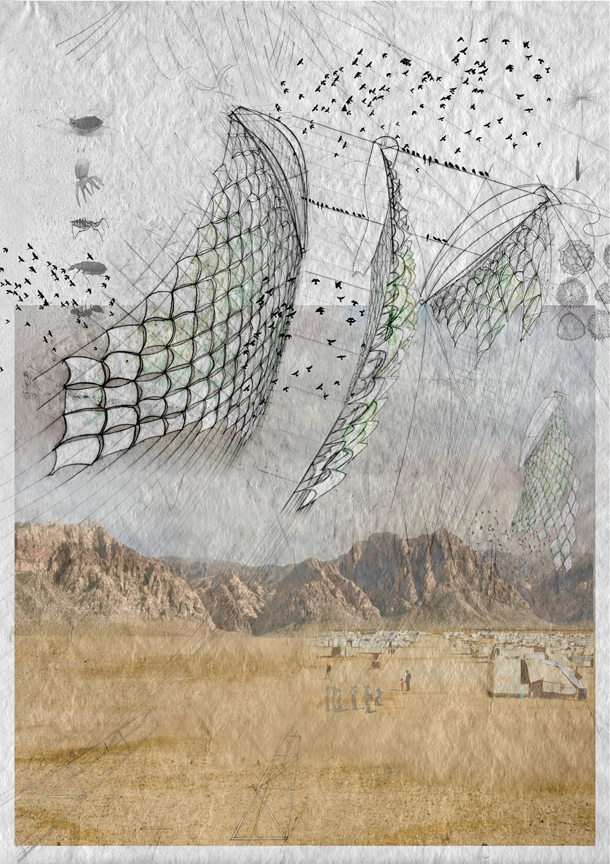
Many occupied regions of the world are turning arid due to rapid changes in global climate. This is causing the displacement of entire ecosystems, including the nonhuman and human inhabitants of…
-
Co-migration: Cloud Forest
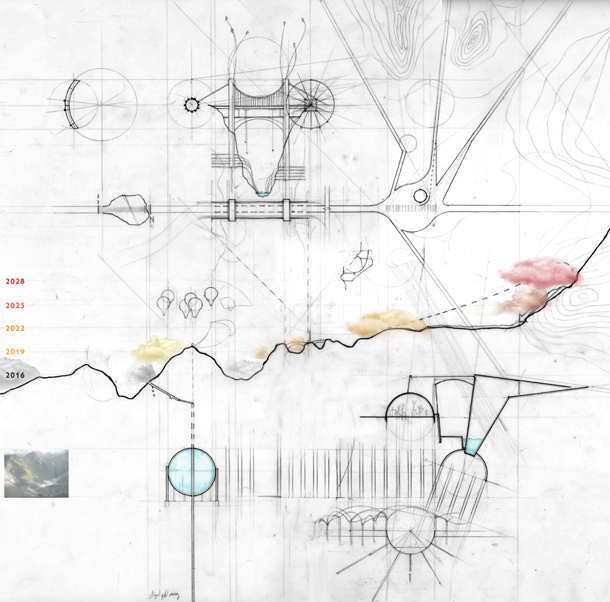
Climate change is provoking a massive migration among humans and non-humans. As temperatures and weather patterns shift, entire ecosystems are being displaced. The displacement of nonhuman species spills over into…
-
Domestic Prosthetics for Cohabitation
The project explores possible conditions of cohabitation through the design of domestic prosthetics for the single-family detached house. Three subtle appendages—the Compost Chimney, the Extended Eave, and the Habitat Dormer— each re-imagine the…

-
Decompositions; Part 3
[Animals, with their myriad superhuman senses, can teach us new unprecedented ways of occupying space. Shared spaces can allow us to mentally occupy each other, sensing our spaces with new…

-
Decompositions; Part 2
Can design bridge land and water? Could shared spaces teach us what it’s like to occupy underwater spaces, and navigate through oceans and waterways?

-
Between Human and Animal
The space of greatest tension between human and animal is the domestic territory of the house. Suburbs are therefore at the front line of the confrontation between humans and synanthropic…

-
Decompositions; Part 1
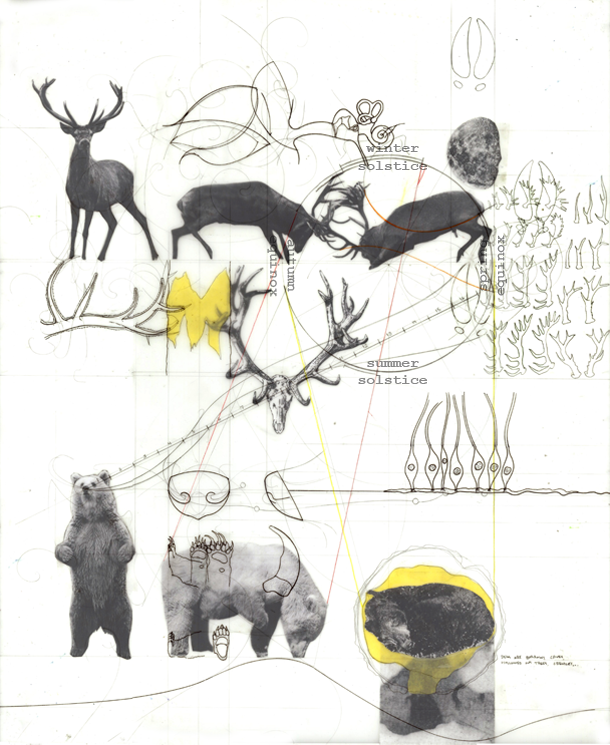
How can sharing spaces lead us to a deeper understanding of our space? Can we learn the senses of other species? Can we gain an animal’s superpowers? The following projects…
-
Knowing the Synanthrope
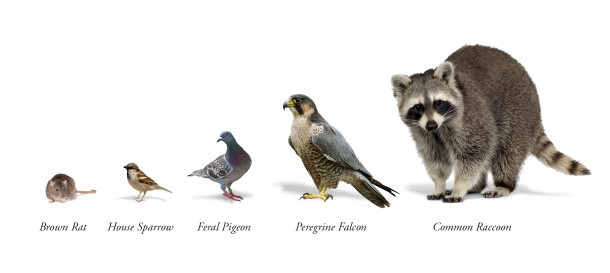
Humanity defines animals by their relationships to humans. Through this lens non-human species are categorized into two forms; domestic – dependent on humans for survival and augmented to live as…
-
Introducing Guest Contributors – Sarah and Brandon
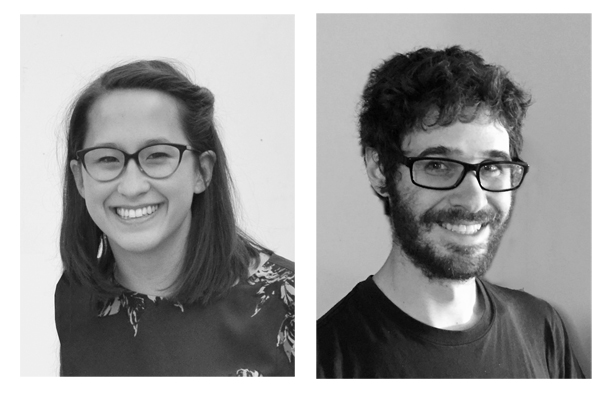
This month we are thrilled to include the voices of two new guest contributors to the Expanded Environment team – Sarah Gunawan and Brandon Youndt. Sarah and Brandon will be…
-
BioCity on NPR
Recently Ned Dodington spoke with NPR station KUHF, Houston Matter’s Paige Phelps about the BioCity installation on display at Lawndale from January 22, 2016 to June 11, 2016. Check out…

-
BioCity Installation Update
We are happy to announce that the BioCity installation has completed its second round of installation.

-
Object Relations; Part 3
Our lives are inundated by a growing presence of things. How we manage and relate to these objects, these piles and piles of things, and better understand their complex realities…
