An open archive of cospecies design research since 2008 · founded as Animal Architecture
The leading resource for architecture + design with biology.
Founded in 2008, The Expanded Environment is an online compendium of designs, essays, interviews, reviews and competition entries, each addressing an interrelated biologically inclusive design ethos. Free to read, cite and teach from.
Browse the archive
By animal-type
By format
By theme
- Urban biodiversity
- Objects & interworlding
- Climate & cities
- Animals at work
- Health, germs & buildings
Latest
-
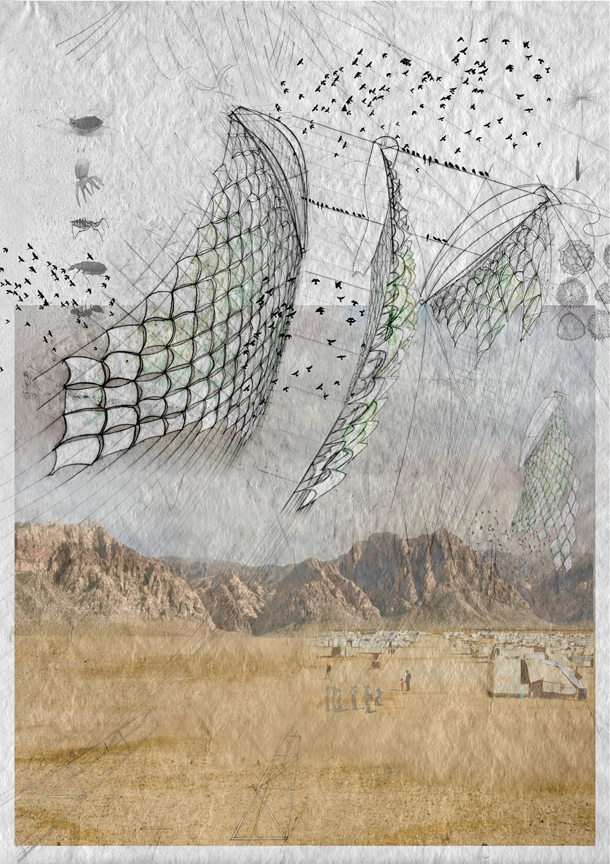
Co-migration: Aeroplankton
Many occupied regions of the world are turning arid due to rapid changes in global climate. This is causing the displacement of entire ecosystems, including the nonhuman and human inhabitants of…
-
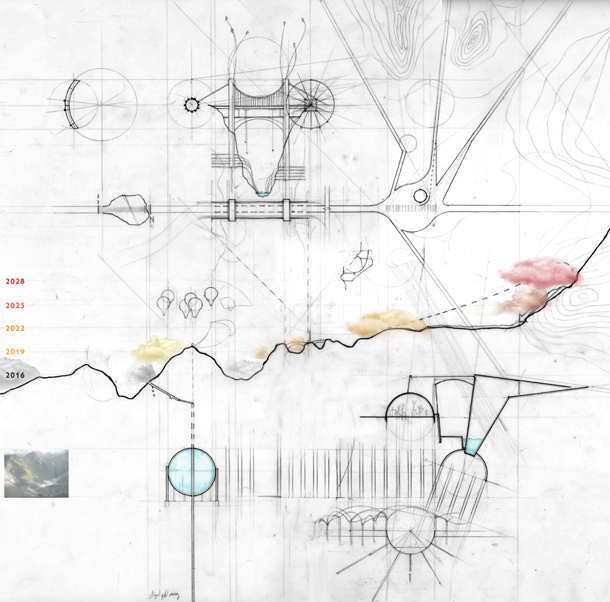
Co-migration: Cloud Forest
Climate change is provoking a massive migration among humans and non-humans. As temperatures and weather patterns shift, entire ecosystems are being displaced. The displacement of nonhuman species spills over into…
-
Domestic Prosthetics for Cohabitation
The project explores possible conditions of cohabitation through the design of domestic prosthetics for the single-family detached house. Three subtle appendages—the Compost Chimney, the Extended Eave, and the Habitat Dormer— each re-imagine the…

-
Decompositions; Part 3
[Animals, with their myriad superhuman senses, can teach us new unprecedented ways of occupying space. Shared spaces can allow us to mentally occupy each other, sensing our spaces with new…

-
Decompositions; Part 2
Can design bridge land and water? Could shared spaces teach us what it’s like to occupy underwater spaces, and navigate through oceans and waterways?

-
Between Human and Animal
The space of greatest tension between human and animal is the domestic territory of the house. Suburbs are therefore at the front line of the confrontation between humans and synanthropic…

-
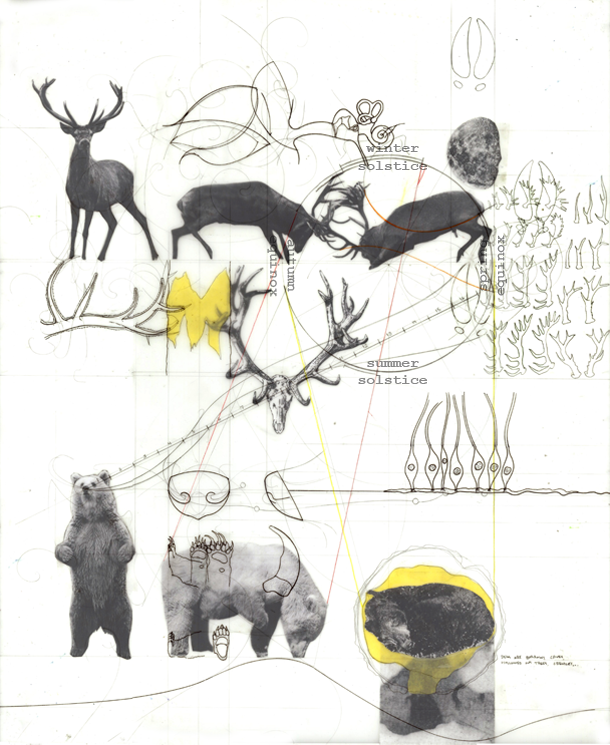
Decompositions; Part 1
How can sharing spaces lead us to a deeper understanding of our space? Can we learn the senses of other species? Can we gain an animal’s superpowers? The following projects…
-
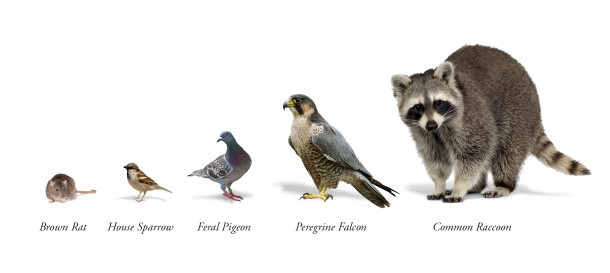
Knowing the Synanthrope
Humanity defines animals by their relationships to humans. Through this lens non-human species are categorized into two forms; domestic – dependent on humans for survival and augmented to live as…
New book · Routledge, December 2026
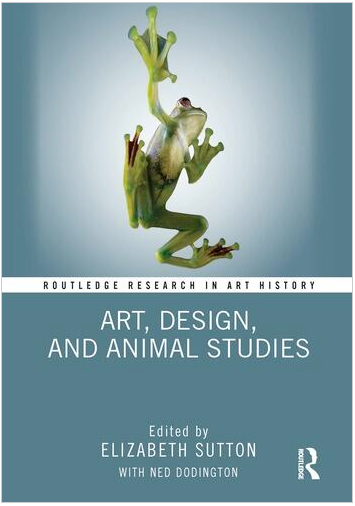
Art, Design, and Animal Studies
Edited by Elizabeth Sutton with Ned Dodington · Routledge Research in Art History
Twenty-three essays and interviews on animals in art, design and architecture, with contributions from Joyce Hwang, Fritz Haeg, Amy Haigh, Richard Fadok and others.
Introduction to Animal Architecture
Most read
Research & Teaching
- Reading lists by theme
- Glossary
- Sample syllabi and studio briefs
- How to cite Ex En
The Awards
Winning and honored entries from the Animal Architecture Awards, an international competition for design with other species.
Publications
Art, Design, and Animal Studies (Routledge, 2026)